 Activity, Motor Control & Coordination
 Pain - Thermal Allodynia / Hyperalgesia
 Pain - Spontaneous Pain - Postural Deficit
 Pain - Mechanical Allodynia / Hyperalgesia
 Anxiety & Depression Disorder
 Learning/Memory - Attention - Addiction
 Physiology & Respiratory Research
 Metabolism & Nutrition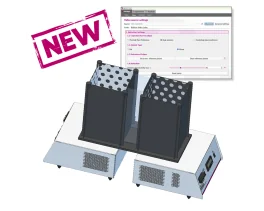
Contextual Kits for T2CT - Dual Aversion & CPP
The Contextual Kits for T2CT have been designed to enhance thermal place preference studies...

The Contextual Kits for T2CT have been designed to enhance thermal place preference studies...
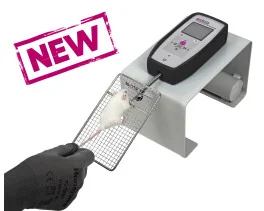
An easy way to objectively quantify the muscular strength of mice and rats, and to assess the...
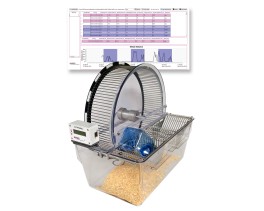
The BIOSEB Spontaneous Activity Wheel offers an effective solution for quantifying rodent...
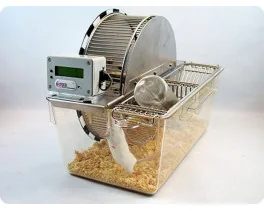
The BIOSEB Spontaneous Activity Wheel is an easy way to quantify rodent voluntary activity in...
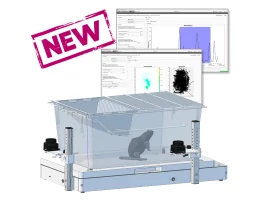
The uncomplicated way to monitor rodent activity over several days from their home cage...
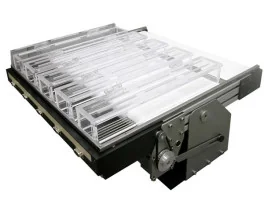
These small animal treadmills are used for forced exercise training and accurate testing of...
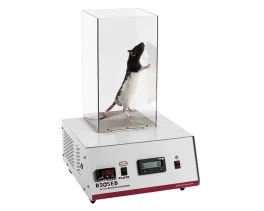
For testing animal's thermal sensitivity to pain resulting from exposure to heat or cold: the...
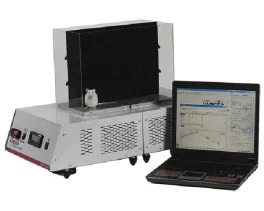
An operator independent test to study pain thresholds in rodents (mouse and rat) by assessing...
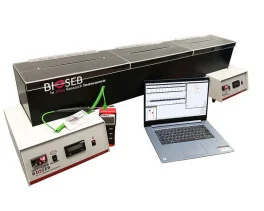
New and improved! The operator-independent Thermal Gradient Test used to show favorite...
The Contextual Kits for T2CT have been designed to enhance thermal place preference studies...
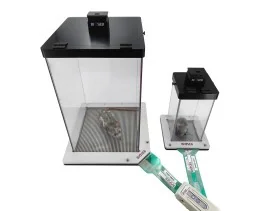
The advanced version of our Dynamic Weight Bearing Test for rodents (rats and mice) allows for...
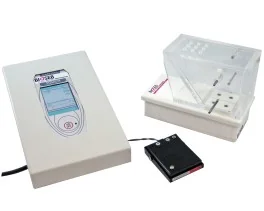
An easy and non pain-inducing solution for assessing the level of discomfort (incapacitance) in...
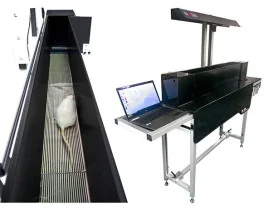
A unique device that provides automated measurement of weight bearing and force distribution...
![Postural Module [Add-on]](https://preprod.bioseb.com/733-home_default/dynamic-weight-bearing-20-add-on-postural-module.jpg)
Expand Your Analysis with Advanced Postural and Locomotor Calculations BIOSEB’s renowned...
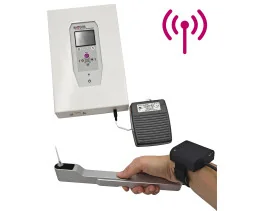
A quick solution to determine the mechanical sensitivity threshold in rodents (mice and rats)....
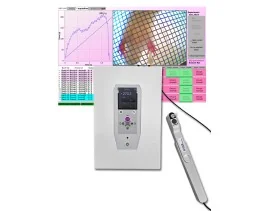
As an electronic version of the classical Von Frey Filaments esthesiometer (or aesthesiometer),...
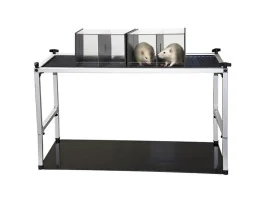
New ROBUST and modular cages to gently hold rodents (rats or mice) during nociceptive and...
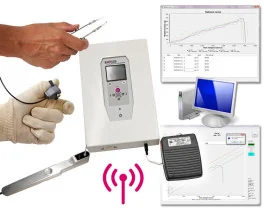
An economical and versatile solution for when flexible quantitative sensory testing (QST) is...
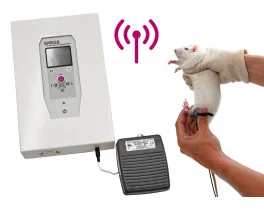
Dedicated to small animals, like mice and rats, Smalgo is a pressure-based analgesimeter...
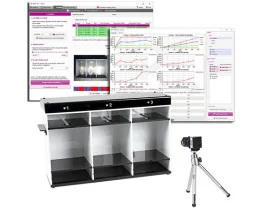
Bioseb's version 5 of the Tail Suspension Test system, based on both strain sensors and video...
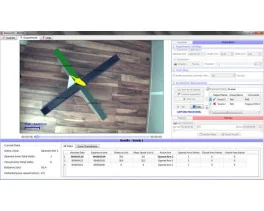
NEW ! A complete (hardware + software), dedicated and automated solution for the Elevated Plus...
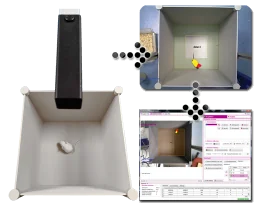
A unique setup for the automation of the Open Field test for rats and mice : 3D-camera based...
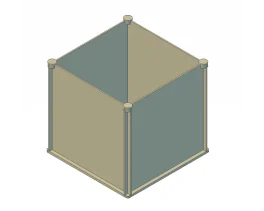
Open-field test - ARENA ONLY - used to evaluate of animal's basal activity and its evolution for...
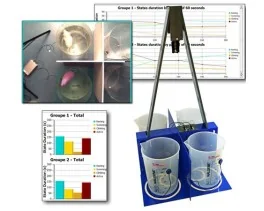
The new Forced Swimming Test system from Bioseb uses a dual approach: Combining a double input...
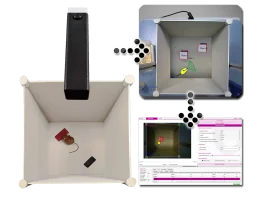
A brand new innovative setup for the automation of the Novel Object Recognition Test : 3D-camera...
Open-field test - ARENA ONLY - used to evaluate of animal's basal activity and its evolution for...
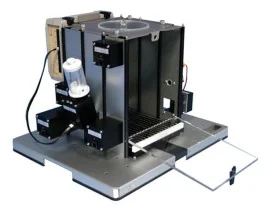
An entirely modular experimental enclosure designed to conduct operant conditioning procedures...
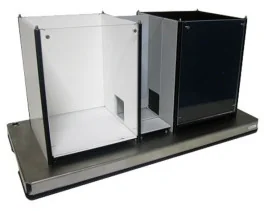
A standard experimental chamber for automated or manual assessment of conditioned place...

Real-Time Physiological Monitoring for Small Animals – Wireless & Non-Invasive The Bioseb...
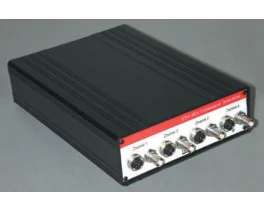
The ETH-401 is a bridge amplifier for various transducers that provides four channels of...
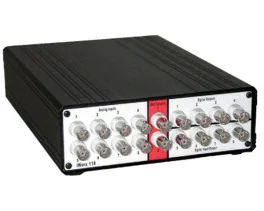
The IX-118 is a fast 100 Khz, high-resolution data acquisition system suitable for most data...
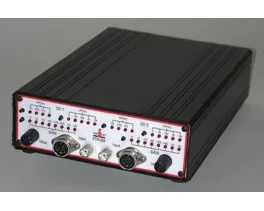
The ETH-256 is a 2 channels high performance, general-purpose life science research amplifier,...
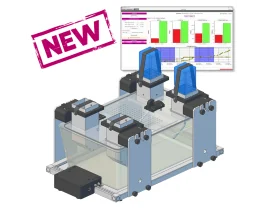
Discover BIO-FOODIS, the next generation solution for understanding animal feeding behavior with...
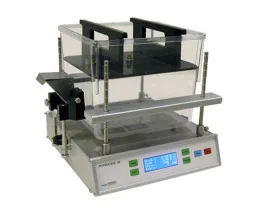
The OXYLET system - Physiocage is a modular system allowing the integration of respiratory...
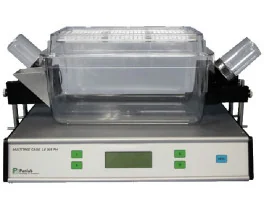
Innovative and appropriate equipment for measuring food/liquid consumption and correlated motor...
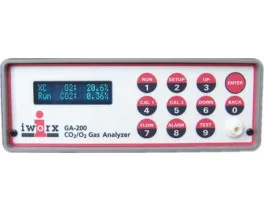
An economical, high performance Oxygen and Carbon Dioxide Analyzer with sampling rates fast...
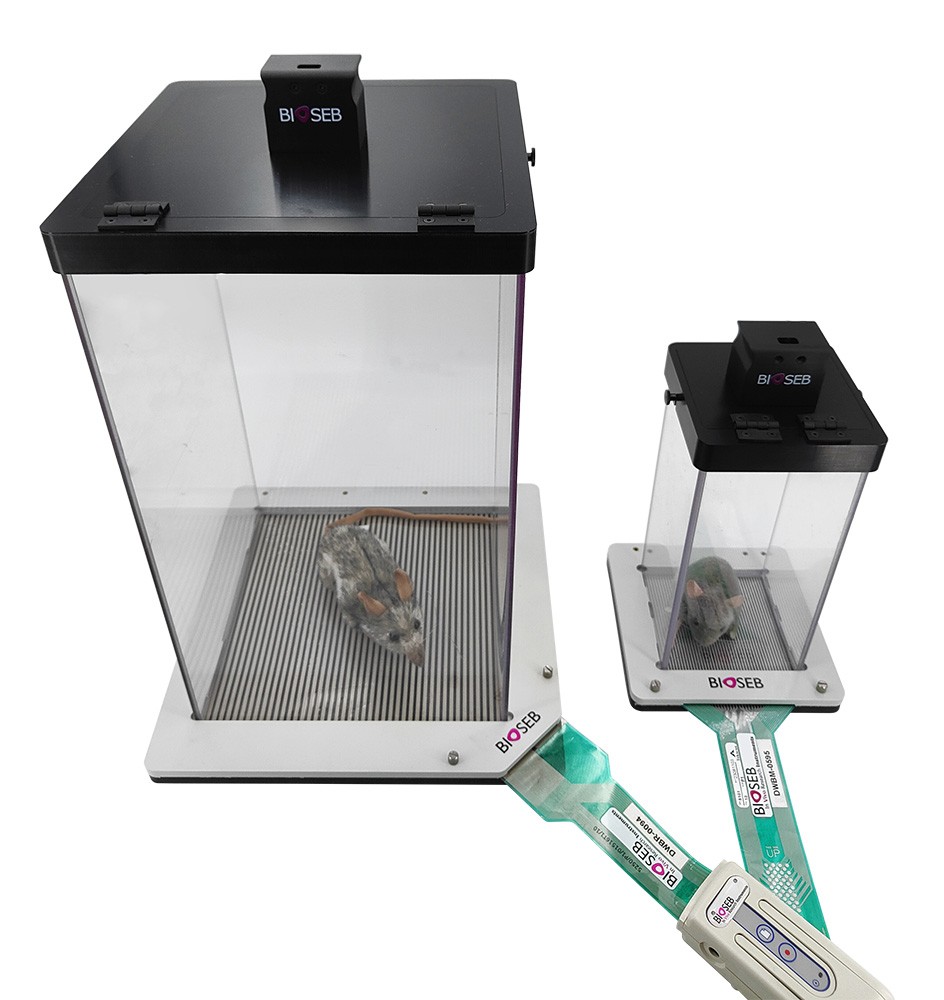
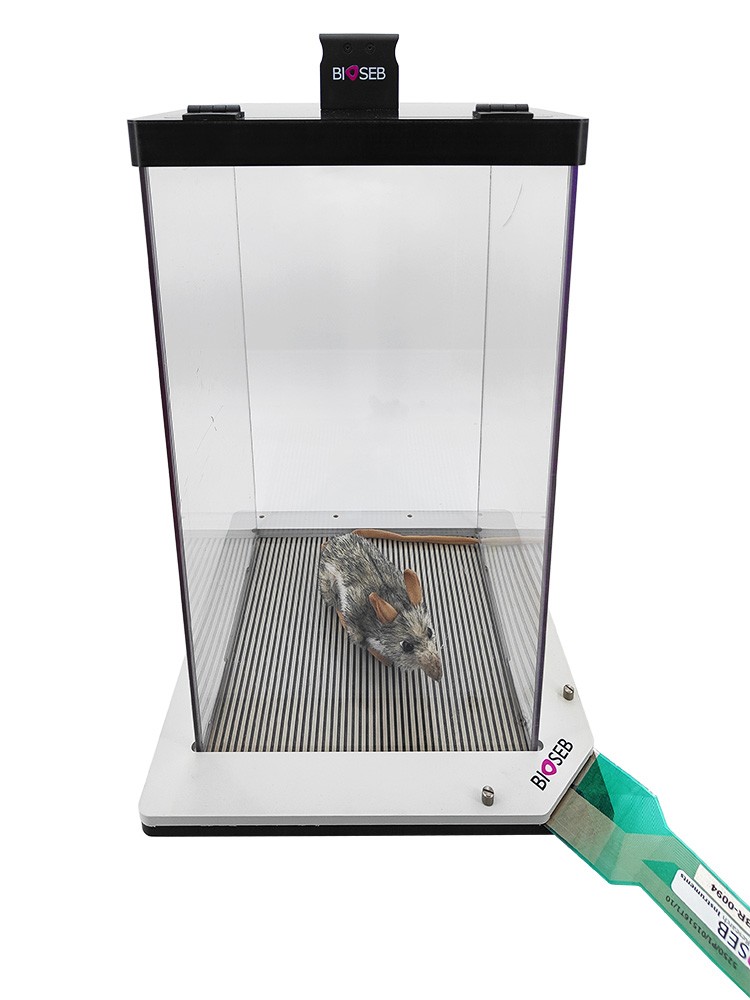
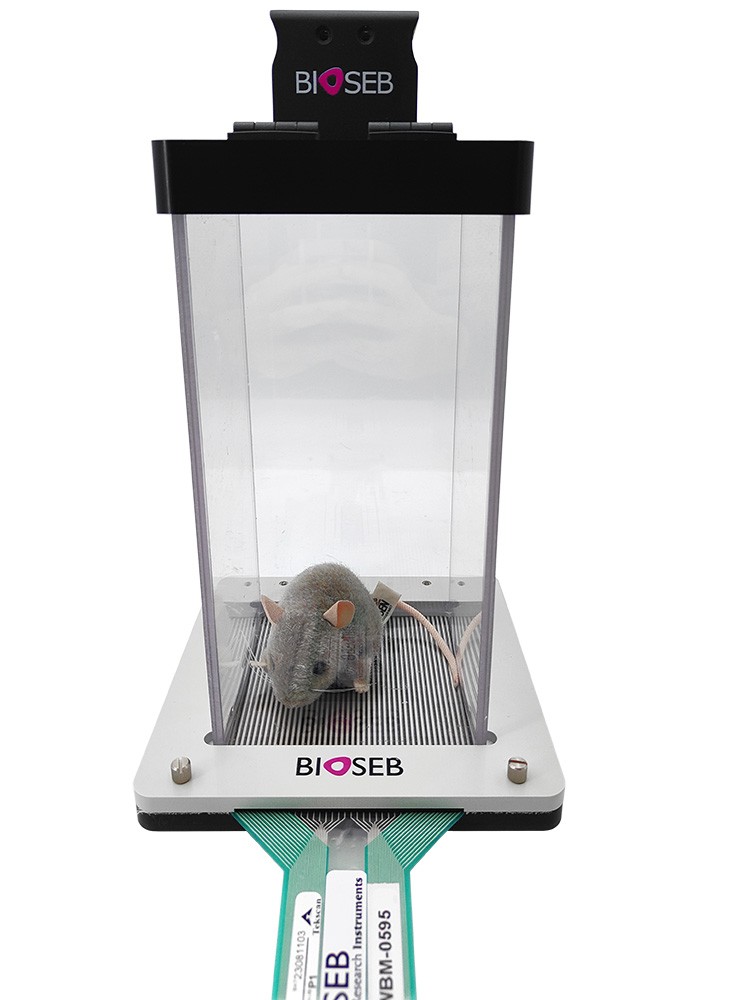

The advanced version of our Dynamic Weight Bearing Test for rodents (rats and mice) allows for faster paw identification, based on a video solution taking advantage of the most advanced algorithms of morphologic analysis, weight distribution and postural changes in dynamic conditions. An efficient and advanced alternative to traditional incapacitance tests (i.e. the paw pressure test or the force plate test) for assessing pain sensitivity in your research on analgesia, hyperalgesia and nociception involving rats and mice, including work on osteoarthritis, bone cancer, analgesic substances, Parkinson disease, allodynia...


 Version history
• 2006 - Incapacitance Test / Static Weight Bearing (SWB) : The first instrument measuring spontaneous pain for your research on nociception and analgesia. Our system allows you to measure the weight distribution of a rodent comfortably maintained on its hind paws in a dedicated holder.
• 2008 - Basic Dynamic Weight Bearing test (BDWB): This new instrument allows you to measure the weight distribution on all four paws without a restrainer.
• 2011 - Advanced Dynamic Weight Bearing test (ADWB): A new software version of the DWB allowing video tracking of the animal for running the test semi-automatically
• 2018 - Dynamic Weight Bearing test 2.0 (DWB2): New 3-tab software with improved automation behavior and major, new, innovative functionalities. Presentation
Ethical considerations as well as the necessity to study comfort and non-evoked pain levels on rodents lead to the development of tests and procedures allowing researchers to conduct pain assessment without having to apply a stimulus on the animals. These tests, called 'Incapacitance' tests, measure the weight distribution on both hind paws of rodents maintained in a restrainer. Restraining, however, induced higher level of stress for the test subjects.
Since its launching in 2008, Bioseb's Dynamic Weight Bearing test is the only rodent non-evoked pain test not requiring animal restraint. It is also the only instrument allowing you to precisely measure changes in Postural Equilibrium in rodents by assessing their weight distribution on each one of their 4 paws.
Bioseb's DBW thus allows you to work with freely moving animals in a transparent cage adapted to the animal being tested (rats or mice). This unique characteristic significantly reduces restrainer-induced stress levels and therefore greatly increases the reliability of the results.
This instrument, after having been validated in over thirty publications, has enabled researchers to answer numerous interrogations pertaining to non-evoked pain models, as well as neuropathic, inflammatory or osteoarthritic conditions. More recently, the application framework of our DWB (Dynamic Weight Bearing) has been extended: the instrument is not only a must-have for pain models, but its postural analysis ability has proven to be an ideal tool for studies on skeletal diseases (fractures, cancers, arthritis...), CNS (Central Nervous System) pathologies, as well as diseases connected to the vestibular system (vertigo). Operating principles
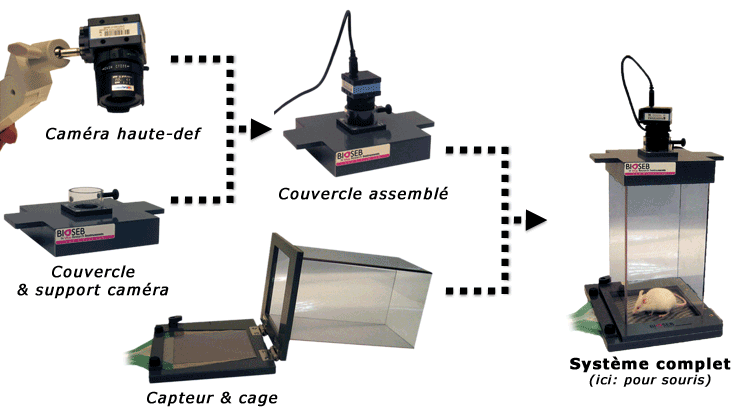
The animal is placed into the DWB (Dynamic Weight Bearing) enclosure for a duration of approximately 5 minutes.
During the test, the DWB relies on two different technologies :
• A matrix comprising around 2000 high precision force sensors (0.02 g for mice and 0.15 g for rats): this matrix is embedded in the floor of the enclosure where the animal is free to move as it pleases. The force sensors measure the weight distribution on each of the four paws of the animal in grams. The instrument uses different sensors for rats or mice in order to provide a suitable sensitivity level (0-4g for mice and 0-40g for rats).
• Video monitoring : the animal is filmed from above using a high definition camera. The video feed is analyzed in real-time during the test thanks to our tracking software allowing a precise analysis of the animal's posture.
Our software can accurately analyze the animal's position during the entire duration of the test in order to automatically identify the location of each of the four paws on the force sensors.
Data acquisition from the force sensors and the camera happens at a high frequency (30 Hz): the DWB is able to analyze rapid position changes, thus providing complete measurements allowing a precise tracking of postural evolutions in moving or still rodents.
 Instrument versions and installation
All DWB1 users are eligible for an upgrade to the new DWB2 version. Your hardware is 100% compatible - a simple software upgrade will be required.
Acquisitions from the DWB1 can be analyzed using the DWB2 software in order to benefit from the new interface and powerful analysis modules.
The DWB is available in 3 different versions: RAT (BIO-DWB-AUTO-R), MICE (BIO-DWB-AUTO-M), RAT-MICE COMBO (BIO-DWB-AUTO-DU).
Data sheet
Number of publications:
An easy and non pain-inducing solution for assessing the level of discomfort (incapacitance) in the injured paw of a small...
A unique device that provides automated measurement of weight bearing and force distribution over time during voluntary...
Expand Your Analysis with Advanced Postural and Locomotor Calculations
BIOSEB’s renowned Dynamic Weight...
 Pain
Pain Central Nervous System (CNS)
 Neurodegeneration
 Sensory system
 Motor control
 Mood Disorders
 Other disorders
 Muscular system
 Joints
 Metabolism
 Cross-disciplinary subjects
 CONFERENCES & MEETINGS